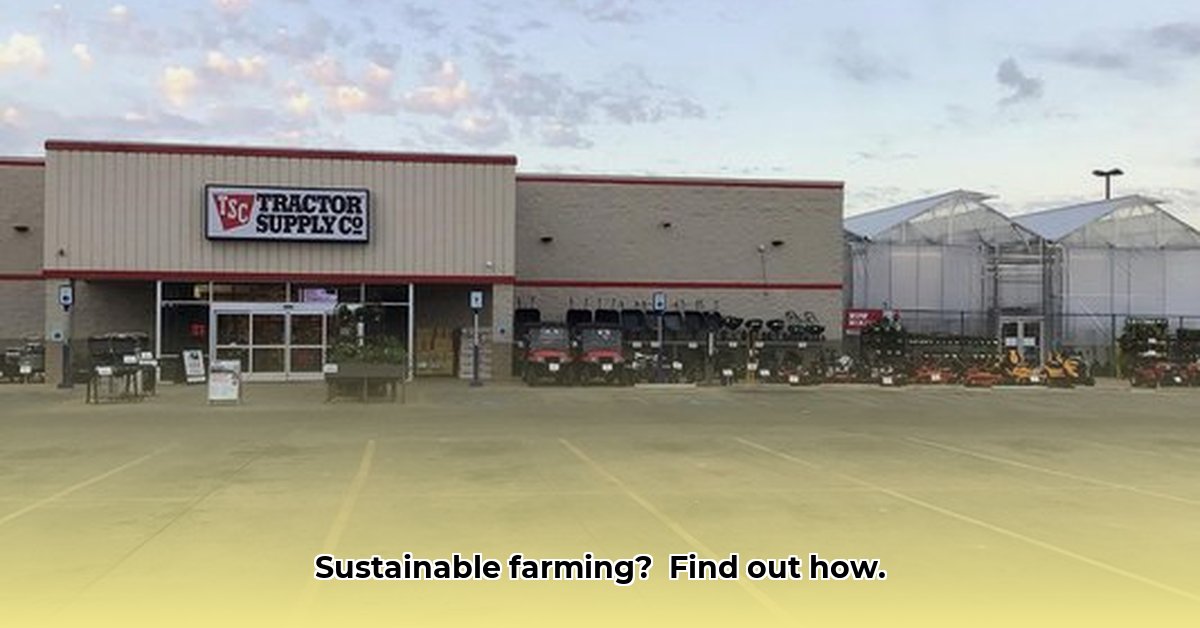
Tractor Supply Buda, TX: A Hub for Sustainable Agriculture in Central Texas?
Tractor Supply Company (TSC) in Buda, Texas, serves as a significant retail point for farmers and ranchers across Central Texas, offering convenient access from Buda, Manchaca, Kyle, and even Austin. Its proximity to major highways like I-35 and FM 2001 minimizes travel time and fuel consumption, a benefit amplified for those adopting sustainable farming practices seeking efficiency gains. However, a closer examination reveals a mixed picture regarding the store's direct support for sustainable agriculture. While the store offers a vast range of agricultural products, its online and in-store presence doesn't explicitly highlight its commitment to sustainable practices, creating a need for greater transparency. For more local information, visit the Buda TSC page.
Imagine searching for eco-friendly building materials. You'd expect to find them clearly labelled and prominently displayed. The same principle applies to TSC’s engagement with sustainable agriculture. The lack of clear information on sustainable product offerings makes a comprehensive evaluation challenging. This necessitates further investigation into TSC's behind-the-scenes efforts, such as potential partnerships with local organizations or specialized sustainable product procurement upon request.
This isn't to suggest TSC is uninterested in sustainable agriculture; rather, more data is needed to fully understand its contribution. Their current offerings might primarily address the immediate demands of their customer base, who may not yet show a widespread demand for specific sustainable solutions. Ongoing research and clearer communication are crucial for a balanced assessment.
But how can we improve this situation and empower Tractor Supply Buda to become a stronger advocate for sustainable farming?
How Tractor Supply Supports Sustainable Farming in Central Texas
Key Takeaways:
- Tractor Supply offers a diverse product range supporting various agricultural needs, including sustainable farming methods.
- TSC's financial contribution to the Texas Department of Agriculture's Star Fund indirectly supports agricultural education and development, bolstering sustainable practices.
- While TSC's direct, publicly available data on its sustainable agriculture efforts is limited, evidence suggests a commitment to the sector.
- Consumers and farmers can benefit from TSC's resources and potentially encourage wider adoption of environmentally conscious farming.
TSC's Product Range: A Foundation for Sustainability
TSC's extensive inventory extends beyond tractors to encompass organic seeds, fertilizers, and water-efficient irrigation systems. This broad selection directly aids sustainable farming in Central Texas. Local farmers can find necessary supplies efficiently, reducing travel and fuel consumption—a clear benefit for both business operations and the environment. This efficiency minimizes waste and promotes resource conservation. But what percentage of their overall sales are dedicated to these eco-friendly options? Further transparency on this data would significantly strengthen their sustainability profile.
Beyond Products: TSC's Community Impact
TSC's commitment extends beyond retail. Their $50,000 donation to the Texas Department of Agriculture's Star Fund 1 demonstrates a dedication to agricultural education and development. While the precise allocation of funds isn't publicly detailed, investing in agricultural education builds a more sustainable future for Central Texas farming by fostering knowledgeable farmers capable of innovation and adaptation. How many farmers have benefited directly from this program—and how has this funding translated into tangible improvements in sustainable practices? This is an area where stronger data reporting could be impactful.
Transparency and Future Improvements: A Call for More Data
A significant gap exists: a lack of readily available information regarding TSC's own environmental footprint. Understanding their carbon emissions, waste management practices, and supply chain transparency would provide a more comprehensive assessment of their sustainability commitment. Data is essential for evaluating progress and identifying areas for improvement. This increased transparency builds trust and fosters accountability. What concrete steps is TSC taking to reduce its environmental impact? This deserves prominent communication.
Actionable Steps: Empowering Farmers and Consumers
TSC isn't just a supplier; it's a resource. Farmers can utilize their product knowledge and available supplies to implement sustainable practices. Choosing eco-friendly products, like organic fertilizers, directly benefits the land. By attending workshops or events associated with the Star Fund, farmers can enhance their knowledge and skills in sustainable agriculture. While TSC's offerings support sustainable farming, the proactive engagement of farmers in requesting specific sustainable products is key to pushing the retailer to further expand its offerings in this area.
Collaborative Action: Building a Sustainable Future Together
The future of sustainable farming in Central Texas depends on collaboration. TSC can expand its offerings of organic and sustainably sourced products. They can also prioritize renewable energy for their stores, further reducing their carbon footprint. Farmers can embrace new technologies and efficient strategies, and consumers can actively support businesses committed to sustainability and demand transparent practices. This collective action is pivotal for creating a thriving and ecologically responsible agricultural landscape in Central Texas.